
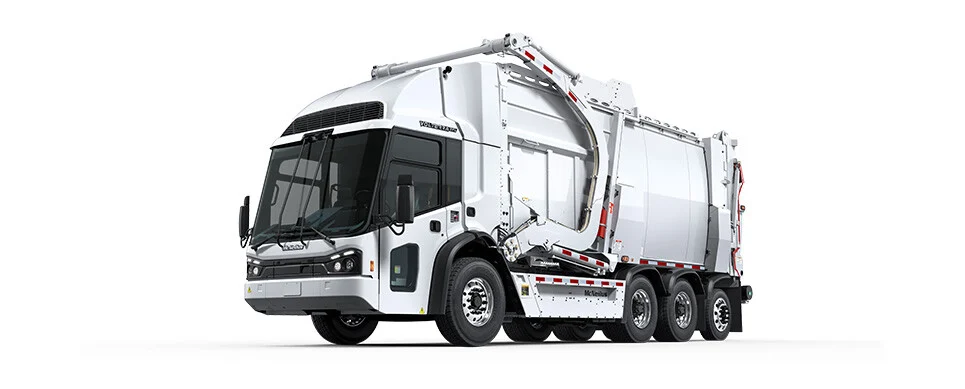
Fleet productivity is one of the most important factors influencing the success of a commercial waste management business. Waste collection companies need to complete routes on schedule, handle substantial material volumes, minimize downtime, and keep operating expenses under control. Because garbage trucks are at the center of these activities, selecting the right vehicle can have a significant effect on overall fleet performance.
A well-matched garbage truck can help crews work more efficiently while reducing unnecessary trips, improving loading performance, and supporting safer collection practices. Instead of choosing a vehicle based only on price or appearance, fleet managers should evaluate how its capabilities align with daily operational requirements.
Matching Truck Capacity to Route Demands
One of the simplest ways the right truck can improve productivity is by providing appropriate capacity. A vehicle that is too small may reach its payload limit before completing a route, forcing drivers to make additional trips to a disposal or transfer facility.
Those extra trips consume fuel and driver time while taking the vehicle away from active collection duties. On the other hand, selecting a truck with substantially more capacity than necessary can increase purchase and operating costs without delivering proportional productivity gains.
Fleet managers should examine historical collection volumes, waste density, container sizes, and route frequency when determining the appropriate truck capacity. The goal is to find a vehicle that can handle typical loads efficiently without consistently operating beyond its practical limits.
Improving Collection Cycle Times
Every minute spent at a collection location can influence how many stops a crew can complete during a shift. Modern garbage trucks can incorporate loading systems that reduce the time required to empty commercial containers.
Depending on the application, automated, semi-automated, front-loading, rear-loading, or side-loading systems may provide different advantages. A suitable loading mechanism can make container handling more consistent and reduce delays between stops.
For a waste company with a large number of commercial accounts, even small improvements in collection cycle times can add up across an entire route. Over time, faster collection can allow the same fleet to handle more customers without requiring an immediate increase in vehicle numbers.
Maximizing Waste Compaction
Efficient compaction can have a direct effect on fleet productivity. Loose waste takes up considerable space, while properly functioning compactors can compress material and make better use of the truck body.
When a truck can carry more material on a route, operators may be able to reduce the number of trips required to disposal or processing facilities. This can free up vehicle and driver time for additional collection work.
However, compaction performance should be evaluated according to the waste stream being collected. The system should be capable of handling the materials commonly encountered on the company’s routes while remaining practical to maintain.
Reducing Equipment Downtime
A truck that spends too much time in a repair facility cannot generate revenue through collection routes. Unexpected mechanical problems can also create scheduling challenges when another vehicle must be substituted.
Reliability should therefore be a major consideration when evaluating fleet equipment. Durable components, appropriate maintenance schedules, and access to replacement parts can all contribute to greater uptime.
Preventive maintenance is equally important. Regular inspections allow fleet managers to identify worn hydraulic components, tires, brakes, electrical systems, and other parts before they cause serious operational failures.
A reliable truck does not eliminate maintenance, but it can help make maintenance more predictable and reduce avoidable disruptions.
Improving Driver and Crew Productivity
The people operating collection vehicles have a direct influence on fleet productivity. A truck with intuitive controls, good visibility, practical access points, and an ergonomic cab can make daily work more manageable.
Operators often repeat the same tasks throughout a long shift, so unnecessary complexity can slow down collection activities. Easy-to-use controls and well-positioned equipment can help drivers perform routine operations efficiently.
Comfort and safety also matter. When employees can work in a vehicle designed around their operational needs, they may be better positioned to maintain consistent performance throughout demanding routes.
Supporting Safer Collection Practices
Productivity and safety are closely connected. Accidents, equipment damage, and employee injuries can cause significant interruptions to a waste company’s operations.
Garbage trucks equipped with useful visibility and safety features can help operators work more confidently in busy environments. Cameras, warning systems, lighting, mirrors, secure access points, and effective braking systems can all contribute to safer vehicle operation.
Companies should combine these features with employee training, regular inspections, and clear collection procedures. A safer fleet is generally better positioned to maintain consistent operations without costly disruptions.
Selecting Trucks for Specific Applications
There is no single garbage truck configuration that is ideal for every waste business. The right choice depends on the company’s customers and collection methods.
A business focused on commercial dumpsters may prioritize front-loading capabilities, while another company may require a different configuration for its routes. Industrial operations may also have specialized requirements related to waste density, container types, or operating environments.
When evaluating McNeilus garbage trucks for sale, fleet managers should look beyond the truck’s brand or advertised price and examine its configuration, capacity, condition, and compatibility with the company’s collection system.
Matching equipment to the application helps ensure that a truck’s capabilities are actually being used rather than paying for features that provide little operational benefit.
Improving Fleet Standardization
Fleet productivity can also improve when vehicles share similar systems and configurations. Standardization can make driver training easier because employees do not have to learn significantly different controls for every vehicle.
It can also simplify maintenance. Mechanics who are familiar with common components may be able to diagnose and service vehicles more efficiently. Keeping commonly needed parts in inventory may also become easier when several trucks use compatible components.
Standardization does not mean every vehicle must be identical. Instead, businesses can identify areas where consistency provides operational advantages while maintaining specialized vehicles for particular routes.
Managing Fuel and Operating Expenses
Fuel efficiency has a direct relationship with fleet productivity because fuel is a recurring expense. Waste trucks frequently operate under stop-and-go conditions, carry heavy loads, and may spend time idling during collection activities.
Selecting a vehicle that is appropriately sized for the route can help avoid unnecessary fuel consumption. Fleet managers should also consider engine performance, vehicle weight, route length, traffic conditions, and driver behavior when estimating fuel costs.
Lower operating expenses allow a business to use its resources more effectively and potentially invest savings into additional vehicles, technology, maintenance, or employee training.
Planning for Business Growth
The right garbage truck should support not only current operations but also the company’s future plans. A waste business that expects to add commercial accounts may eventually need greater capacity or more specialized collection equipment.
Purchasing versatile vehicles can provide additional flexibility as route requirements change. Fleet managers should consider expected customer growth, new service areas, seasonal demand, and changes in waste volumes when planning equipment purchases.
This forward-looking approach can help companies avoid frequent equipment replacements and make more strategic fleet investments.
Choosing a Reliable Equipment Partner
Selecting the right vehicle is easier when businesses have access to knowledgeable equipment professionals. A supplier can help fleet managers understand vehicle specifications, configurations, condition, parts availability, and potential applications.
Companies should also consider the availability of ongoing support after the purchase. Atlantic Heavy Duty is an example of a provider that businesses can consider when evaluating heavy-duty waste collection equipment and fleet solutions.
A strong equipment partner can help companies make decisions based on operational requirements rather than simply choosing the least expensive available truck.
Measuring the Impact of a New Truck
After adding a vehicle to the fleet, managers should track whether it is delivering the expected productivity improvements. Useful measurements may include stops completed per route, average collection time, fuel consumption, maintenance expenses, downtime, payload utilization, and trips to disposal facilities.
These measurements can help companies determine whether the vehicle is performing efficiently and identify areas where routes or operating procedures could be improved.
Data-driven fleet management also makes future purchasing decisions easier because managers can compare actual performance against the capabilities of different vehicles.
Conclusion
The right garbage truck can improve fleet productivity in several ways. Appropriate capacity can reduce unnecessary trips, efficient loading systems can shorten collection cycles, and effective compaction can help operators transport more material per route. Reliability, safety, maintenance accessibility, and operator-friendly design can further support consistent performance.
For companies considering McNeilus garbage trucks for sale, the most important question is not simply whether a particular truck is available, but whether its specifications and condition match the company’s operational needs.
By carefully evaluating route requirements, collection volumes, truck configurations, operating costs, and long-term support, waste businesses can make smarter fleet investments. Working with experienced providers such as Atlantic Heavy Duty can also help companies identify equipment that supports greater productivity and reliable commercial waste collection over the long term.