
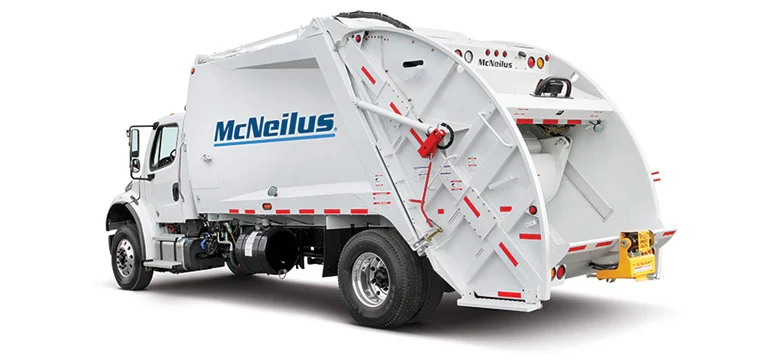
Municipal waste collection is essential for maintaining clean streets, protecting public health, and supporting organized communities. Local governments must collect household garbage, manage disposal schedules, and maintain dependable sanitation services across residential neighborhoods and public areas. These responsibilities require vehicles that can handle demanding workloads while meeting operational and safety requirements. McNeilus refuse trucks provide specialized collection configurations that municipalities can evaluate according to their waste management needs. Selecting appropriate equipment and maintaining it properly can help local authorities improve collection efficiency and manage fleet expenses.
Supporting Municipal Waste Management Programs
Municipal waste collection programs serve a wide range of locations, including residential streets, public facilities, community spaces, and selected commercial areas. Each location may present different challenges involving traffic, container placement, road width, and waste volume.
McNeilus refuse trucks are designed for different collection methods, allowing municipalities to consider front loaders, rear loaders, and side loaders for their operations. Front loaders commonly handle compatible commercial dumpsters, while rear loaders can support varied collection arrangements. Side loaders can be suitable for residential programs that use compatible carts and collection systems.
Choosing the correct vehicle configuration helps municipalities align equipment with their service requirements. Fleet managers should assess the number of households served, expected waste volume, collection frequency, and access to disposal facilities before selecting a truck.
Improving Collection Efficiency
Efficient waste collection depends on more than the number of trucks in a fleet. Vehicle capacity, route planning, loading procedures, operator training, and maintenance all influence daily performance.
McNeilus refuse trucks offer configurations intended for different collection environments. When the selected vehicle matches the route, crews can work with equipment designed for the containers and collection procedures they encounter.
Compaction systems can reduce the volume of collected waste, allowing operators to make effective use of available body space. However, municipalities must consider legal payload limits as well as volume because dense waste can cause a truck to reach its weight limit before its body is full.
Route planning can further improve productivity. Organizing collection schedules around neighborhood locations, traffic patterns, and disposal facility access may reduce unnecessary travel and help crews complete assigned work more consistently.
Choosing the Right Truck Configuration
Municipalities should evaluate their existing collection methods before purchasing new equipment. Residential neighborhoods may require maneuverable vehicles suited to frequent stops, while larger commercial locations may need equipment designed for compatible dumpsters.
A rear loader can be a practical option for municipal programs that require flexibility across residential and light commercial routes. Depending on the selected model, features such as cart tippers and container-handling equipment can support specific collection requirements.
Side loaders may suit programs that use standardized residential carts and provide sufficient curbside access. Front loaders can serve municipal commercial collection contracts involving larger containers.
The best option depends on the municipality’s actual operating environment. Officials should compare body capacity, chassis specifications, loading mechanisms, serviceability, and the availability of suitable replacement components before making a purchasing decision.
Managing Fleet Costs and Reliability
Municipal budgets must account for both the initial cost of a vehicle and its ongoing operating expenses. Fuel, labor, maintenance, insurance, replacement components, and downtime can influence the total cost of ownership.
Preventive maintenance helps identify developing problems before they interrupt collection schedules. Daily inspections should cover tires, brakes, lights, fluid levels, visible leaks, and safety-related components. Specialized loading and compaction systems should be inspected according to the applicable manufacturer’s recommendations.
Accurate maintenance records help fleet managers identify recurring faults and plan repairs. They also support budgeting decisions by showing how much each vehicle costs to maintain over time.
When a truck experiences repeated major repairs, managers can use service history and operating costs to determine whether continued maintenance or replacement is the more practical option.
The Importance of Replacement Parts
Access to suitable replacement components can help municipalities keep essential vehicles available for daily work. Delayed repairs can result in missed collection schedules, additional labor requirements, and pressure on backup vehicles.
When sourcing McNeilus truck parts, fleet managers should verify the truck model, body serial number, production details, and required component specifications. Correct identification helps reduce the risk of ordering incompatible parts.
Municipal purchasing teams should also compare availability, warranty conditions, technical assistance, and expected delivery times. Establishing an organized parts procurement process can make repairs more predictable and help control inventory expenses.
Maintaining records of installed components and previous repairs further supports future maintenance planning.
How Ten-8 Industrial Supports Fleet Operations
Ten-8 Industrial provides McNeilus refuse truck sales, parts, maintenance, and service support within its designated southeastern United States territory, including Alabama, Florida, Georgia, and Mississippi.
Municipalities operating in that region can investigate Ten-8 Industrial when evaluating refuse equipment and after-sales support. Its service offerings include refuse body diagnostics and repairs, hydraulic systems, automated arms, compactors, and preventive maintenance.
Before engaging a provider, municipalities should confirm current service coverage, equipment compatibility, parts availability, and response arrangements. These considerations are important when collection schedules depend on maintaining a consistent number of operational vehicles.
Safety and Environmental Responsibilities
Municipal waste collection trucks operate in public spaces where pedestrians, cyclists, parked vehicles, and other road users may be present. Safe vehicle operation must remain a priority throughout the collection process.
Drivers should receive appropriate training in inspections, reversing, loading procedures, and the operation of specialized equipment. Municipalities should also maintain required safety systems and ensure that workers follow established procedures around moving mechanisms.
Environmental responsibilities include preventing fluid leaks, managing fuel consumption, and complying with applicable vehicle and waste handling regulations. Regular maintenance can help identify mechanical issues before they create additional operational or environmental concerns.
Conclusion
McNeilus refuse trucks can support municipal waste collection through configurations designed for residential, commercial, and other collection requirements. The right equipment can help municipalities organize routes, use available capacity effectively, and maintain dependable sanitation services.
Local authorities should evaluate truck configurations, maintenance needs, total ownership costs, and replacement-part availability before investing in new equipment. By planning preventive maintenance and researching support options such as Ten-8 Industrial, municipal fleet managers can make informed decisions that support reliable waste collection over the long term.